|
|||||||||||
RPA Standard Edition v.2.0.0.1 is availableMay 13, 2012
This is a minor bugfix release. See more details and get the corrected version on www.propulsion-analysis.com/downloads.htm. RPA Standard Edition v.2.0 is released!May 9, 2012 RPA Standard Edition v.2.0 is available for download from www.propulsion-analysis.com/downloads.htm. New features in this release:
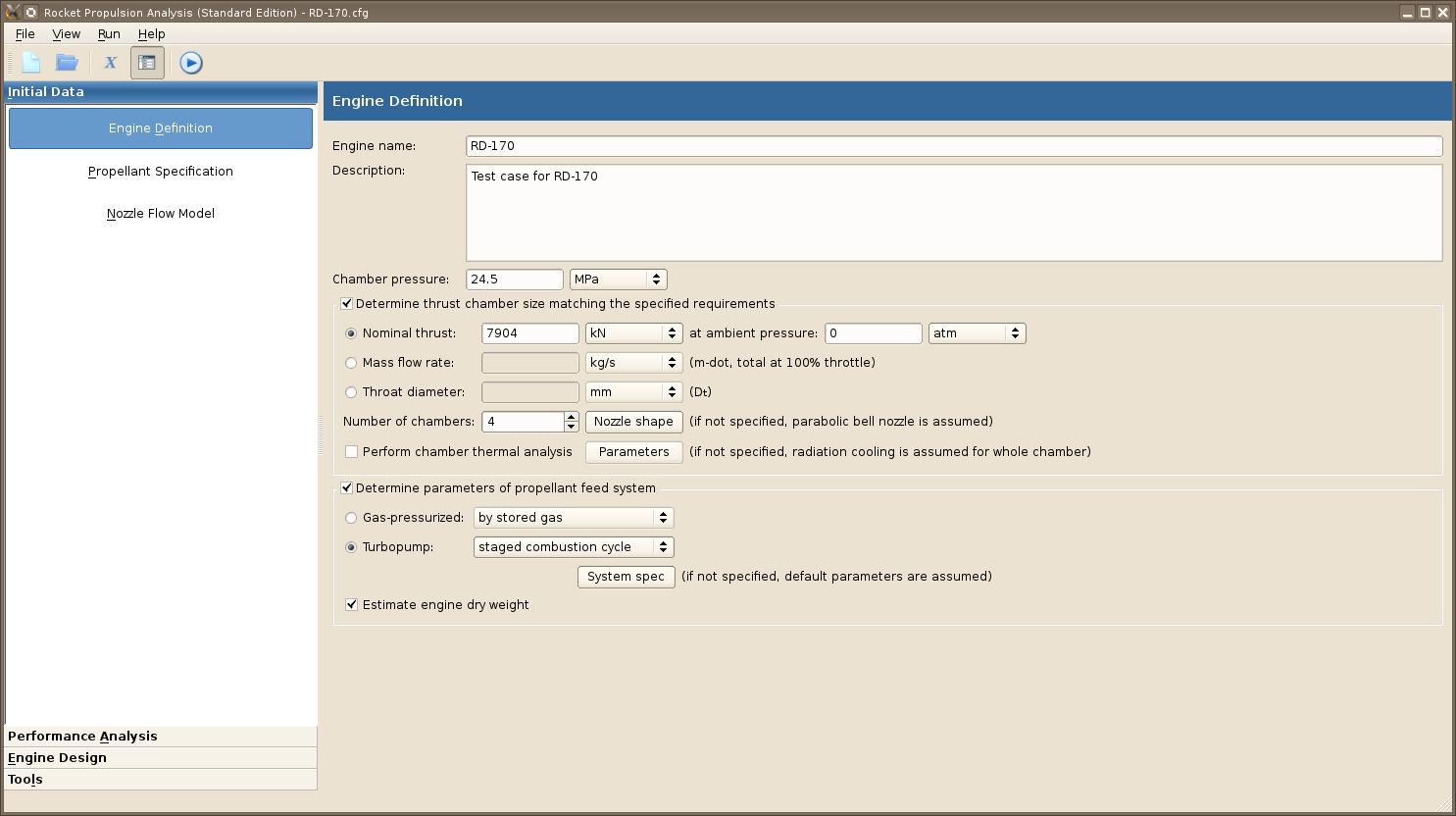
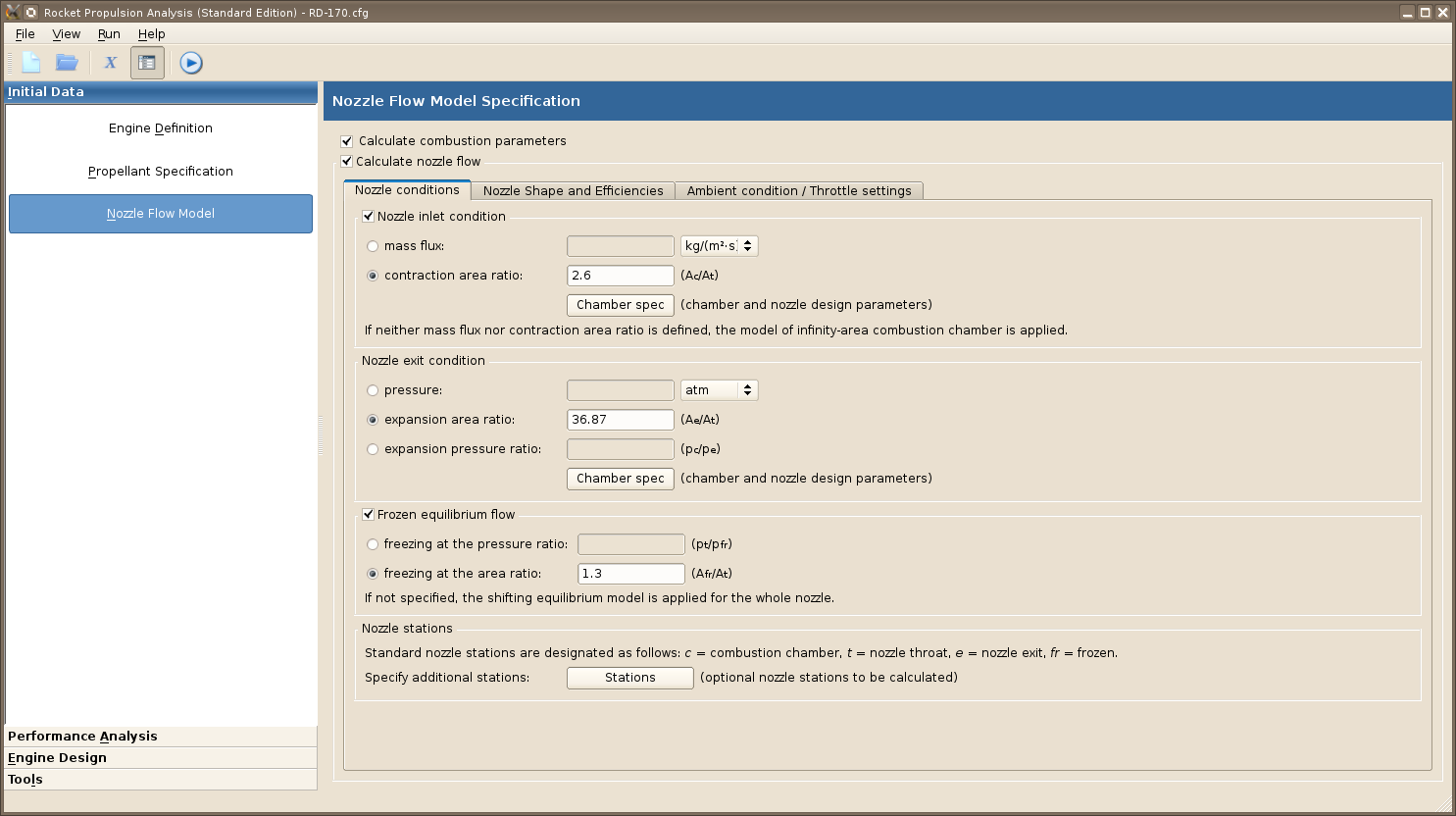
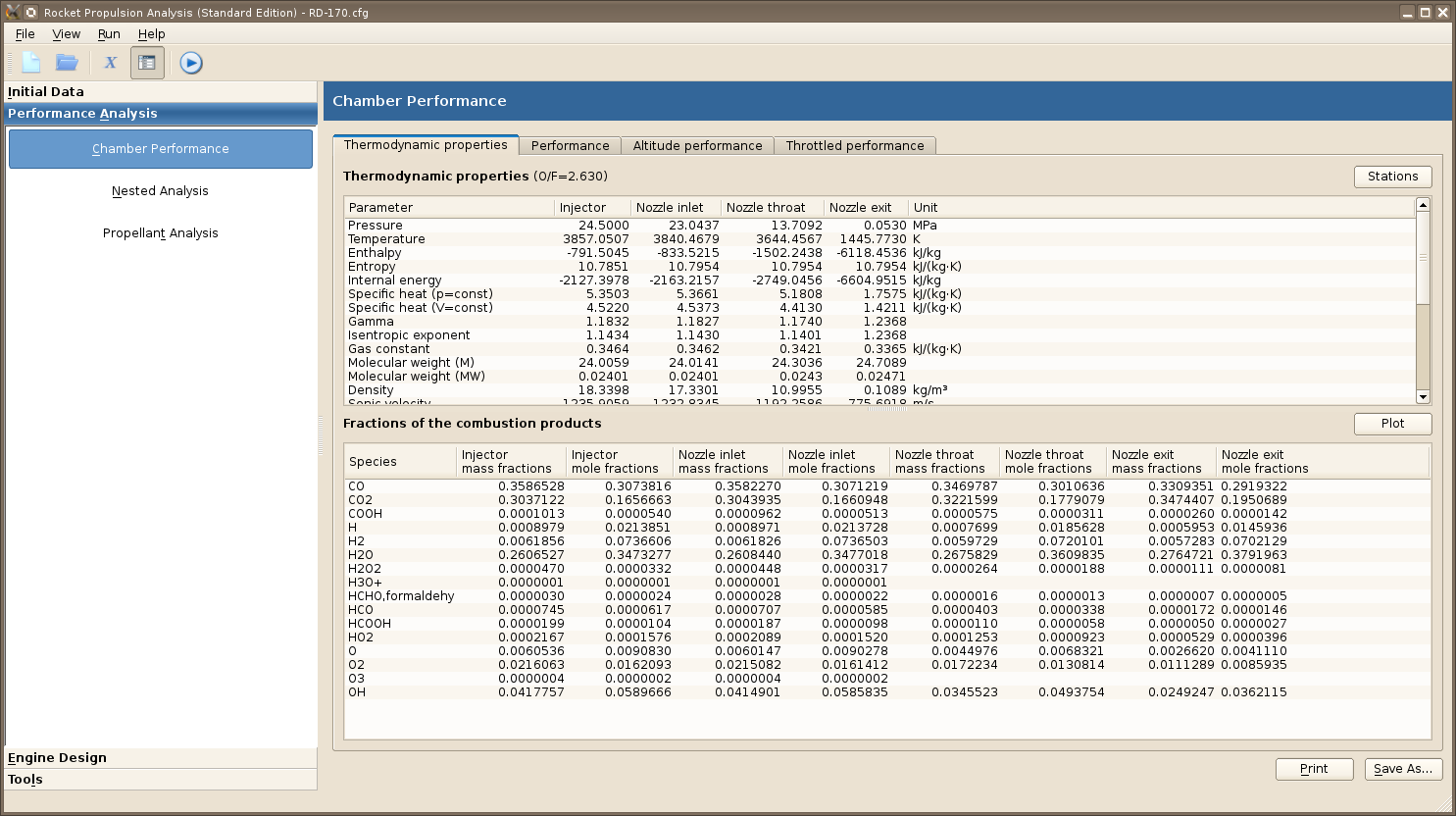
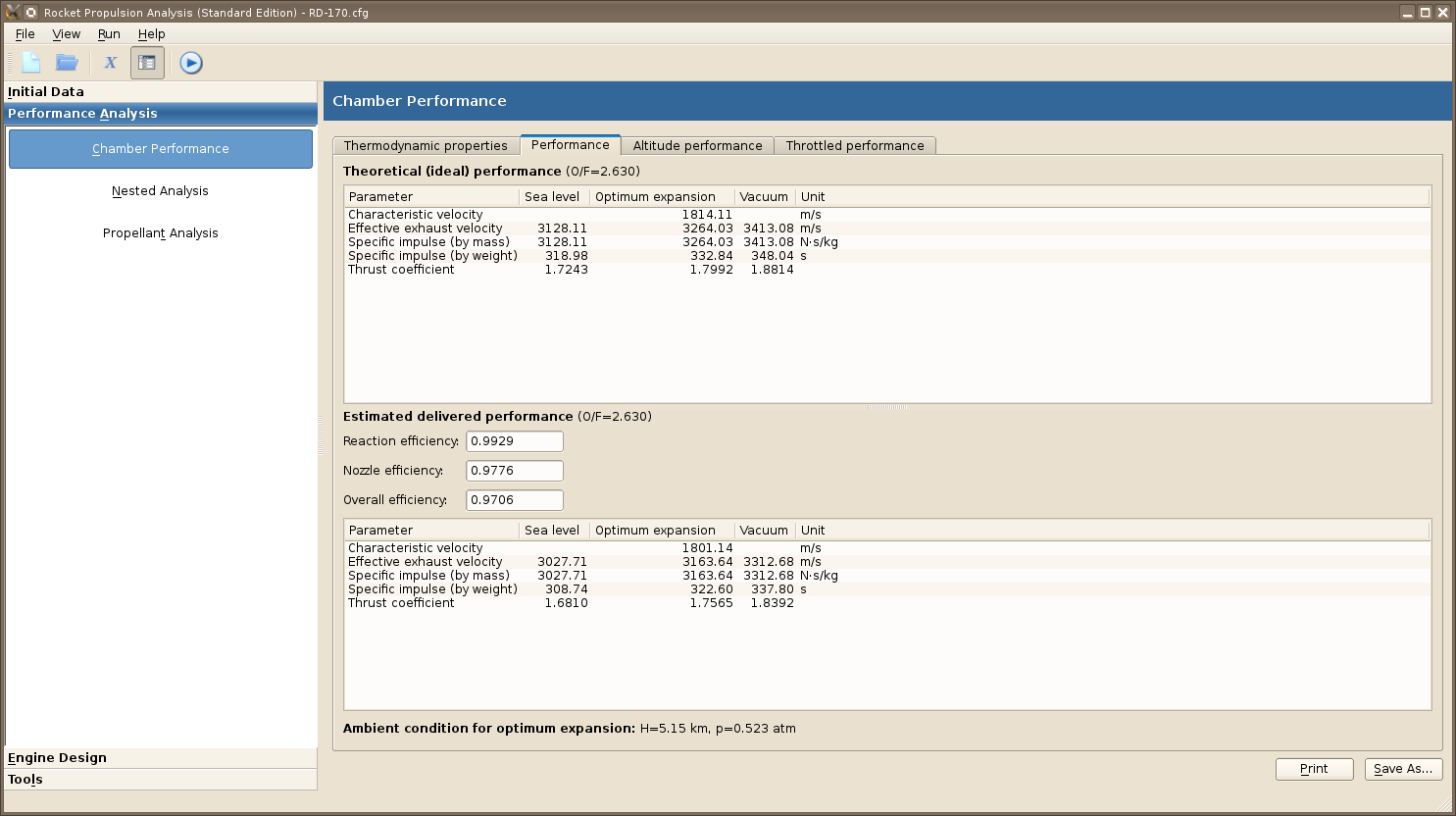
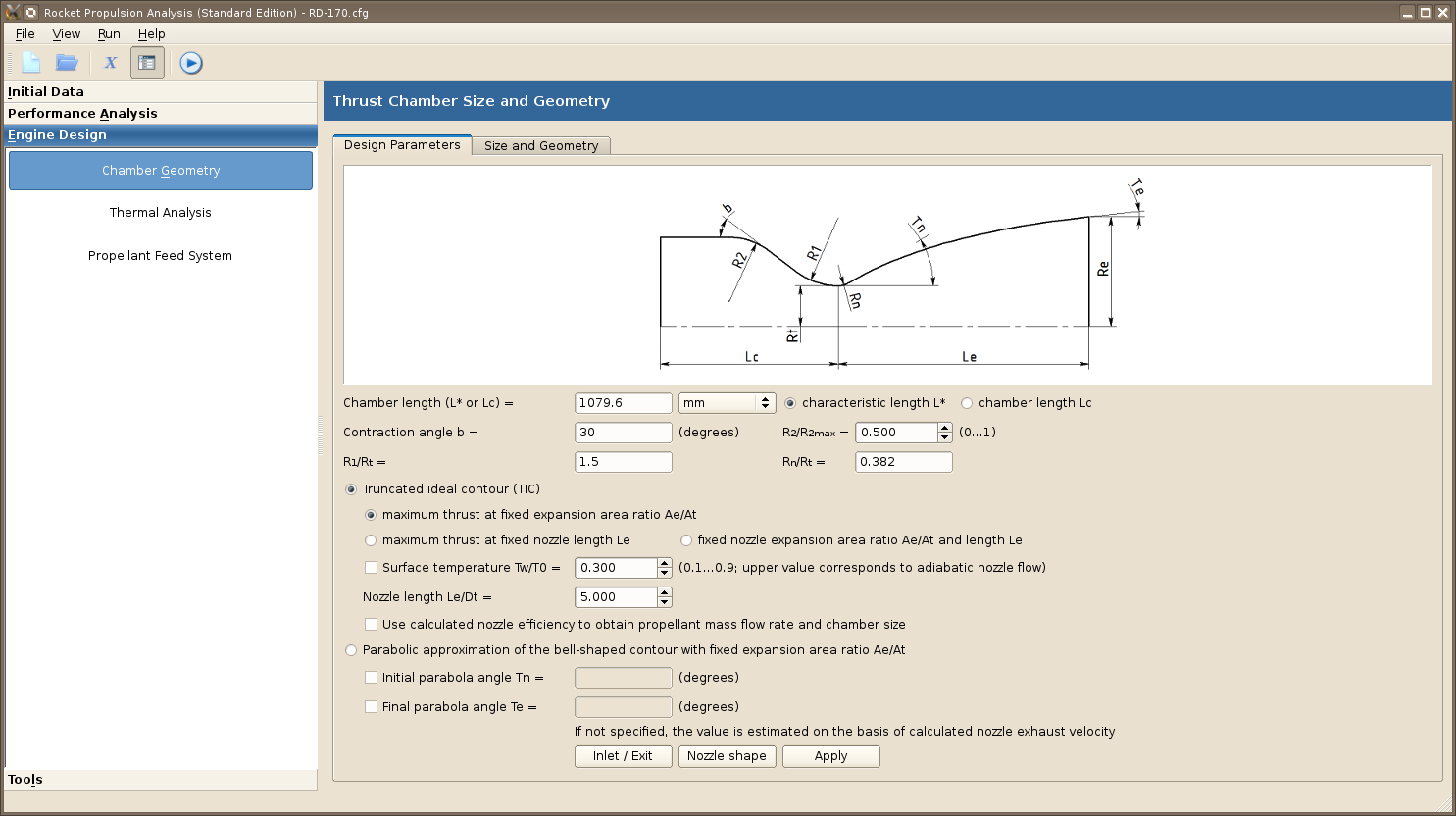
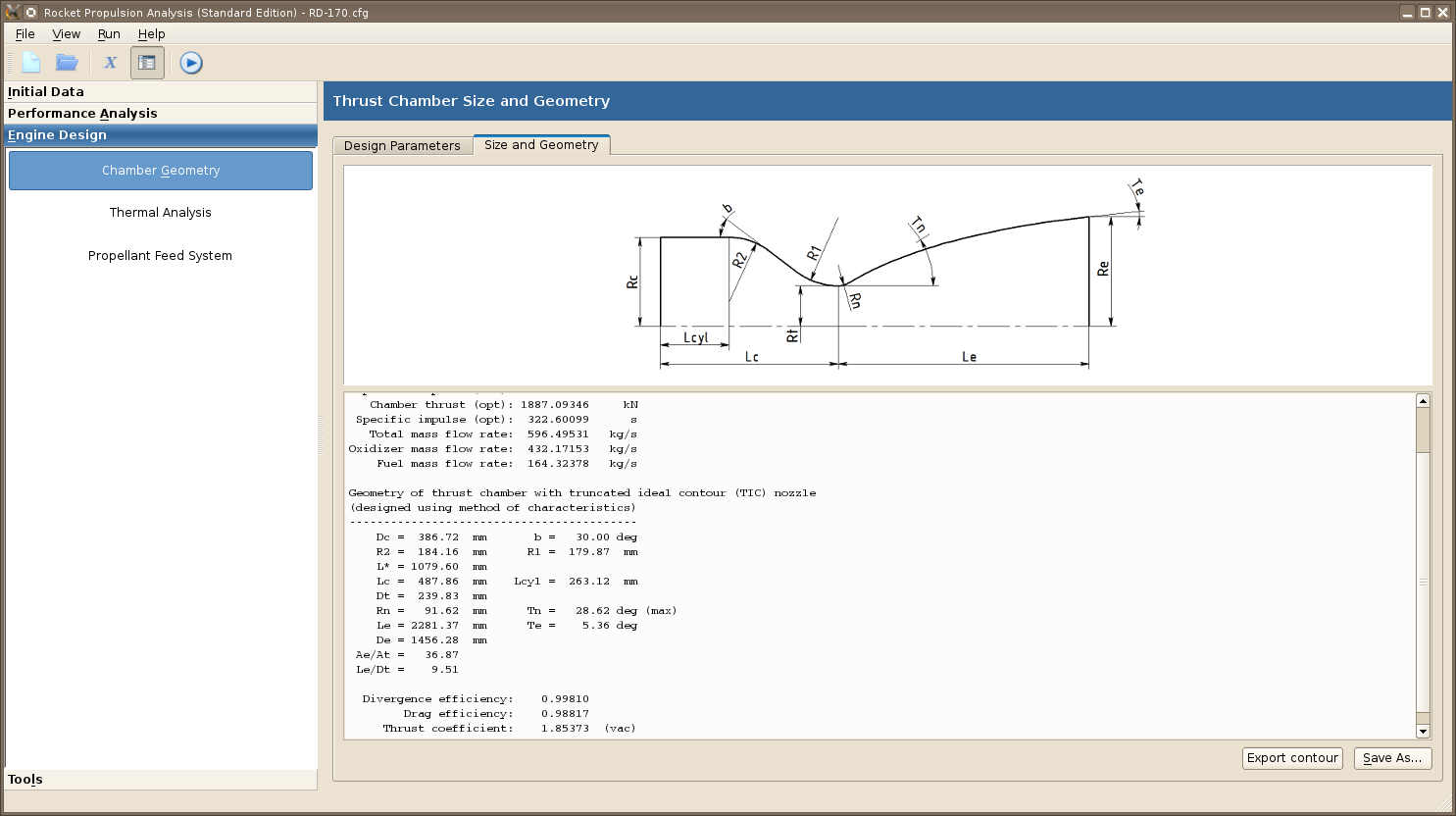
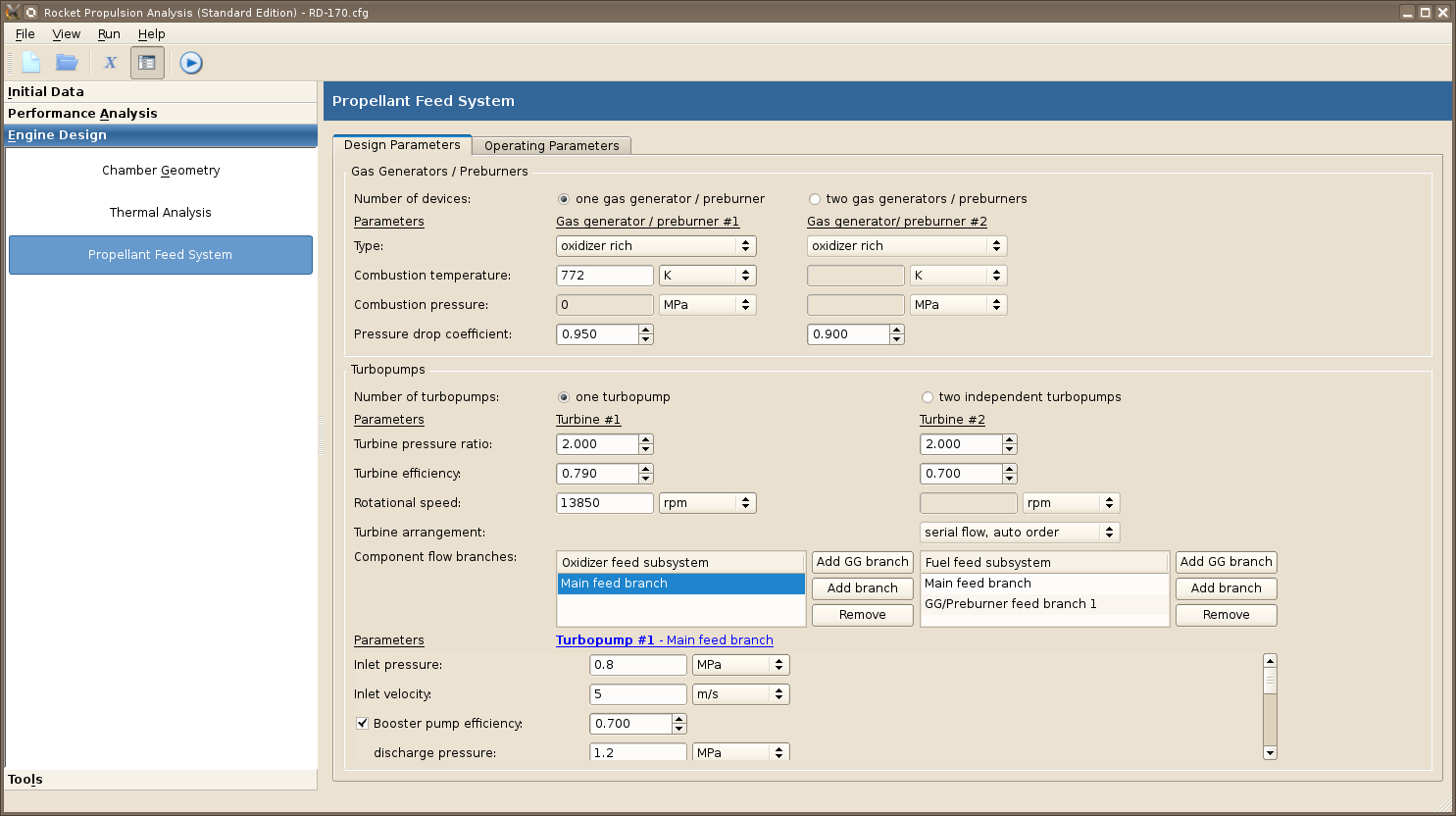
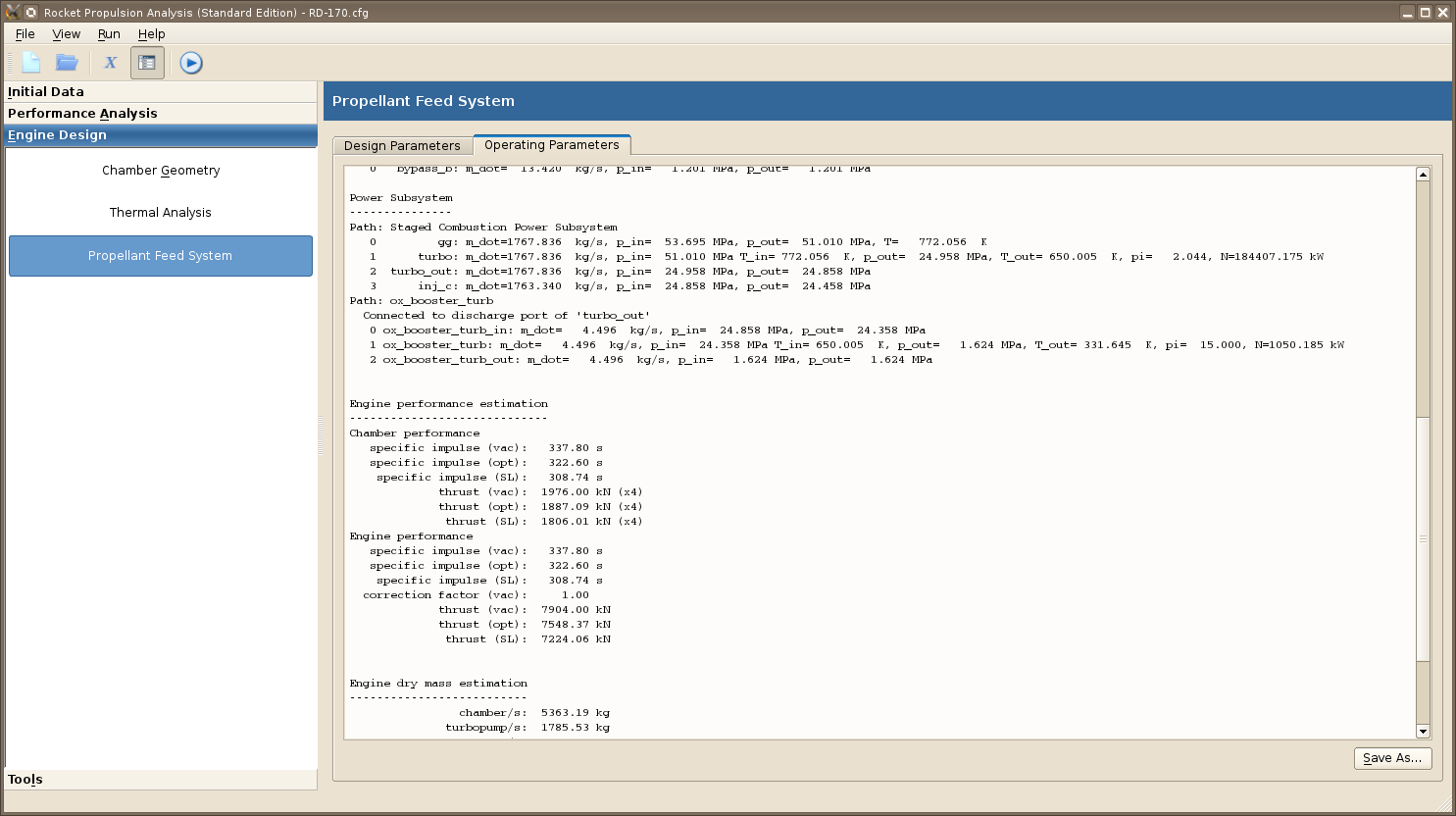
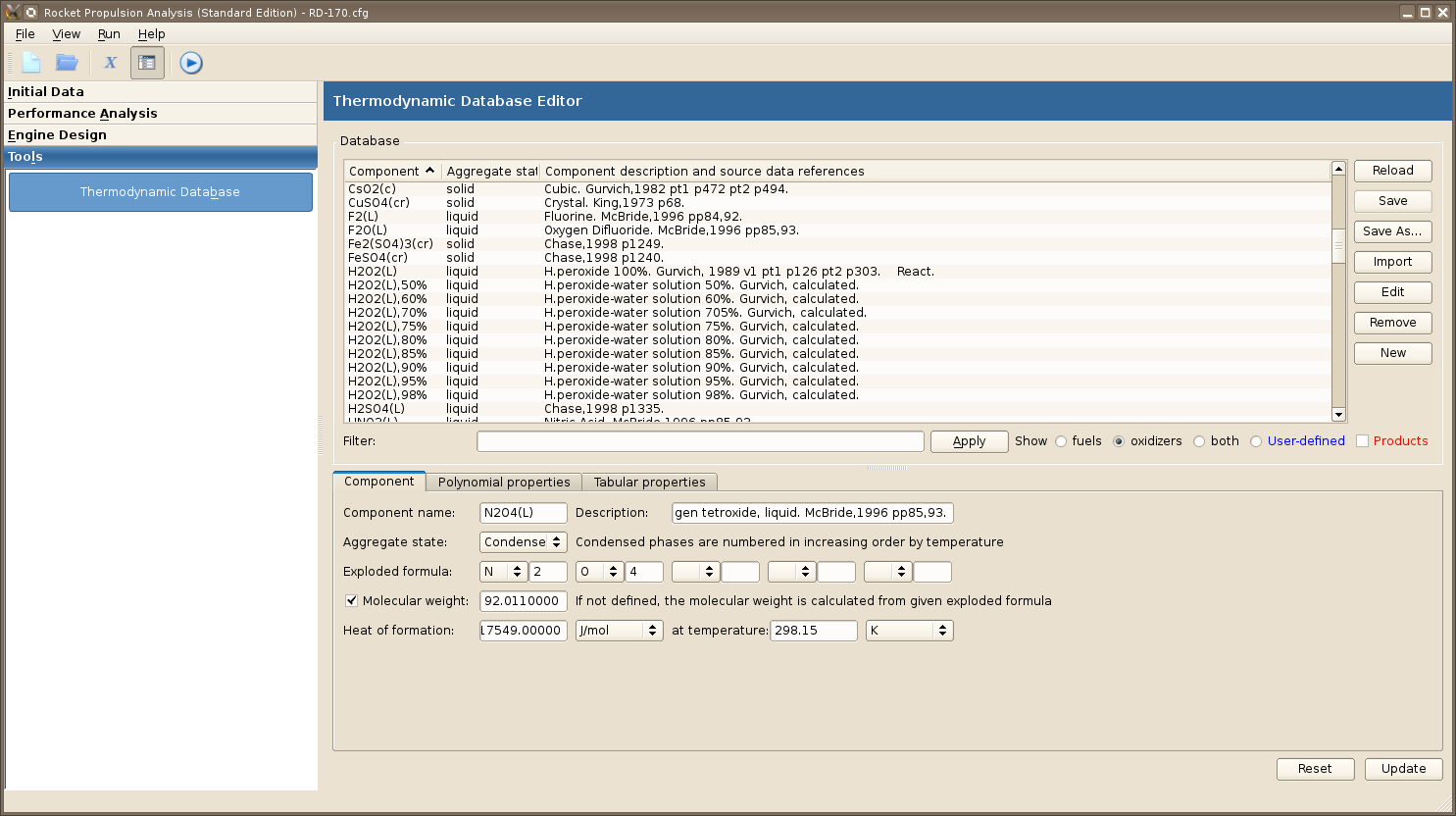
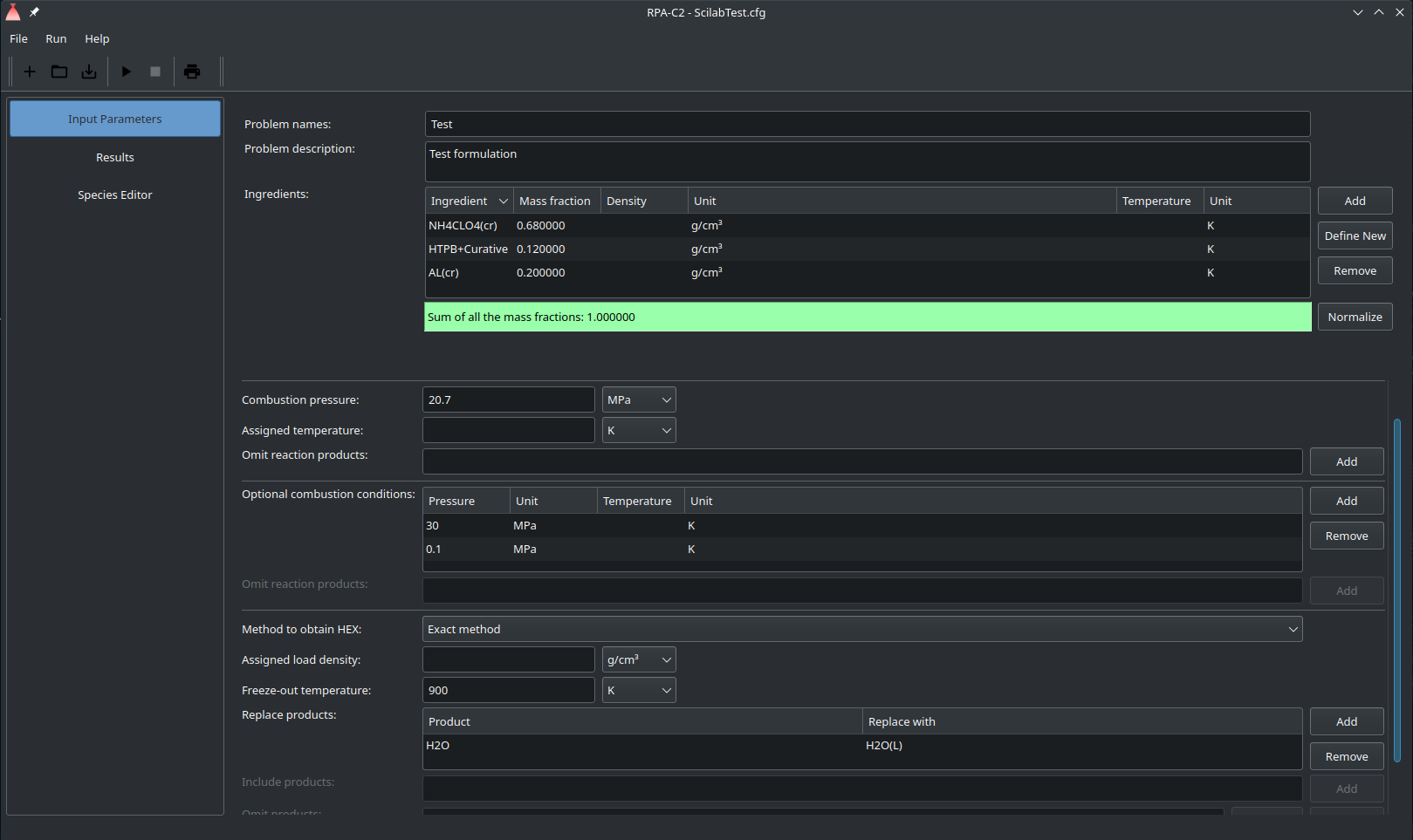
Here are a few screenshots for you to get an impression about new release (click the image to enlarge):
RPA OverviewRocket Propulsion Analysis (RPA) is a multi-platform analysis tool for rocket propulsion professionals, scientists, students and amateurs. For many years rocketry scientists, students and amateurs were using command-line MS-DOS or UNIX programs to calculate the performance of the rocket engines. While the accuracy of the old programs is still sufficient for many cases, the old-fashioned interface has poor usability, whereas the lack or absence of active development makes it difficult to satisfy new user requirements. With release of the RPA, propulsion-analysis.com offers the modern rocket engines analysis tool and promises continuous further development of the program. RPA is an easy-to-use multi-platform tool for the performance prediction of rocket engines. It features an intuitive graphical user interface with convenient grouping the input parameters and analysis results. RPA utilizes an expandable chemical species library based on NASA Glenn thermodynamic database and Gurvich thermodynamic database, that includes data for numerous fuels and oxidizers, such as liquid hydrogen and oxygen, kerosene, hydrogen peroxide, MMH, and many others. With embedded species editor, the users may also easily define new propellant components, or import components from PROPEP or CEA2 species databases. By providing a few engine parameters such as combustion chamber pressure, used propellant components, and nozzle parameters, the program obtains chemical equilibrium composition of combustion products, determines its thermodynamic properties, and predicts the theoretical rocket performance. The results of calculation can also be used to design combustion chambers, gas generators and preburners of the liquid propellant rocket engines. RPA is written in C++ programming language using following libraries: Qt, Qwt, libconfig++. Main Features
Click here for a complete list of features. |
Copyright © 2009-2012 Alexander Ponomarenko
|
Contact
|
|
|
|
Last modified: May 14, 2012
|